
July 29, 2026
Earlier this year, the Smart Prosperity Institute launched a request for research proposals targeting policy-relevant academic research that strengthens the evidence base for Canada’s clean growth and competitiveness strategies in a decarbonizing economy. Funding for this call is distributed through the Economics and Environmental Policy Research Network (EEPRN), with a focus on advancing current and impactful scholarly research.
In response, we received a grand total of 34 project proposals from 17 different universities all across Canada, and two international submissions, reflecting a strong engagement with this important area of work.
Winning projects were selected following a rigorous review process led by the independent EEPRN Advisory Committee, whose members were chosen for their breadth of expertise in areas including corporate sustainability, environmental economics and climate policy.
We are excited to introduce the 2026 research cohort: seven projects chosen to broaden our understanding of the environment-economy nexus, which will collectively receive more than $150,000 in funding.
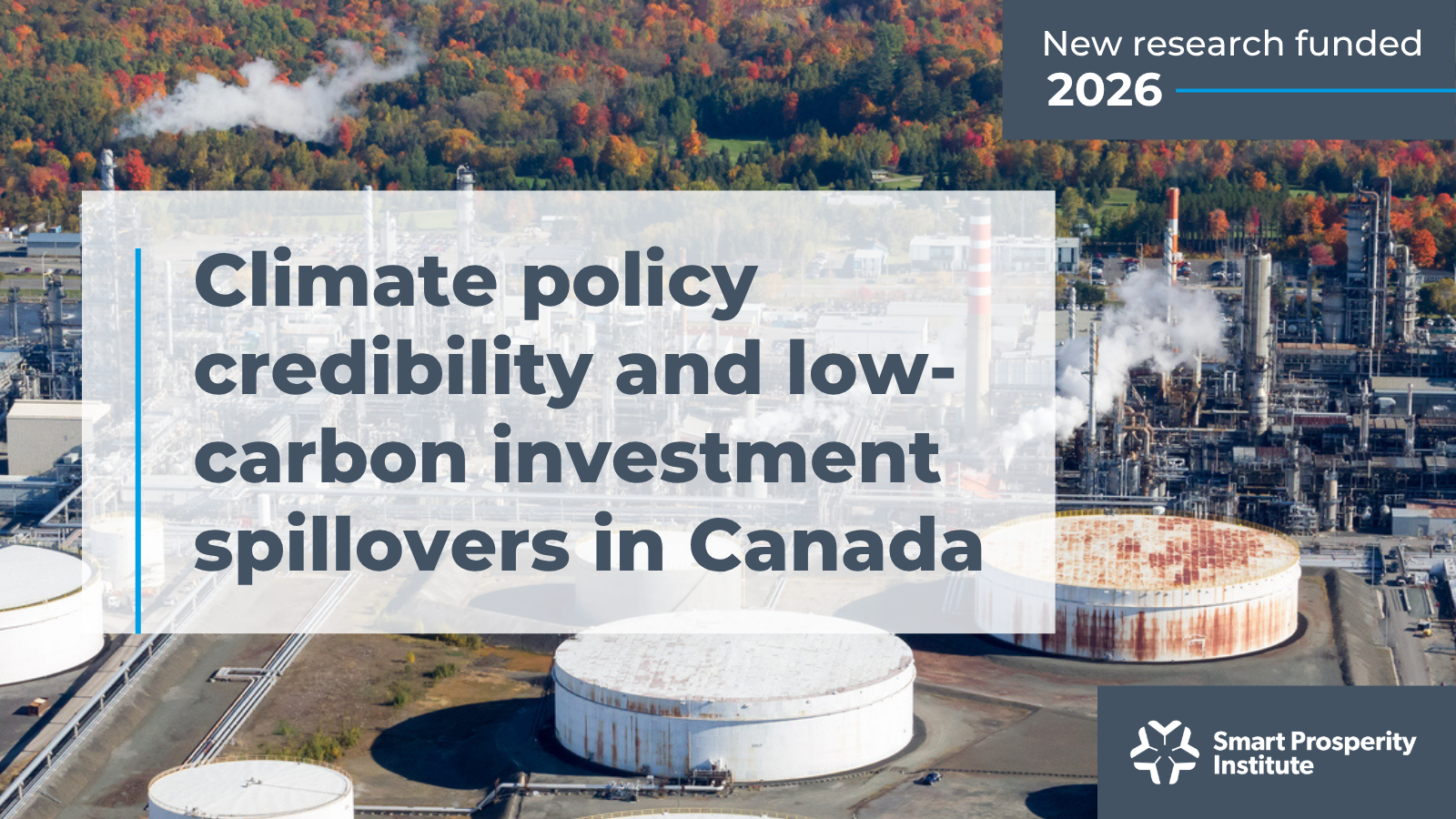
Mark Jaccard and Dylan Kennedy (Simon Fraser University)
Canada's climate policy landscape has become increasingly uncertain in recent years. The repeal of the consumer-facing carbon tax, combined with shifting provincial policies and changing federal priorities, has created ambiguity about the durability of climate commitments. For firms making long-term investment decisions, particularly in emissions-intensive sectors with long-lived capital assets, this uncertainty can significantly affect whether and when low-carbon investments occur. Policy credibility refers to the extent to which businesses believe governments will follow through on stated climate objectives and policy instruments over time.
This project will focus on carbon pricing as a core policy instrument and will examine how changing perceptions of policy credibility may have influenced low carbon investment patterns across provinces and over time. By developing an empirical measure of climate policy credibility and linking it to observed investment outcomes, the project aims to provide policy-relevant evidence on how uncertainty has affected the effectiveness of Canadian climate policy.
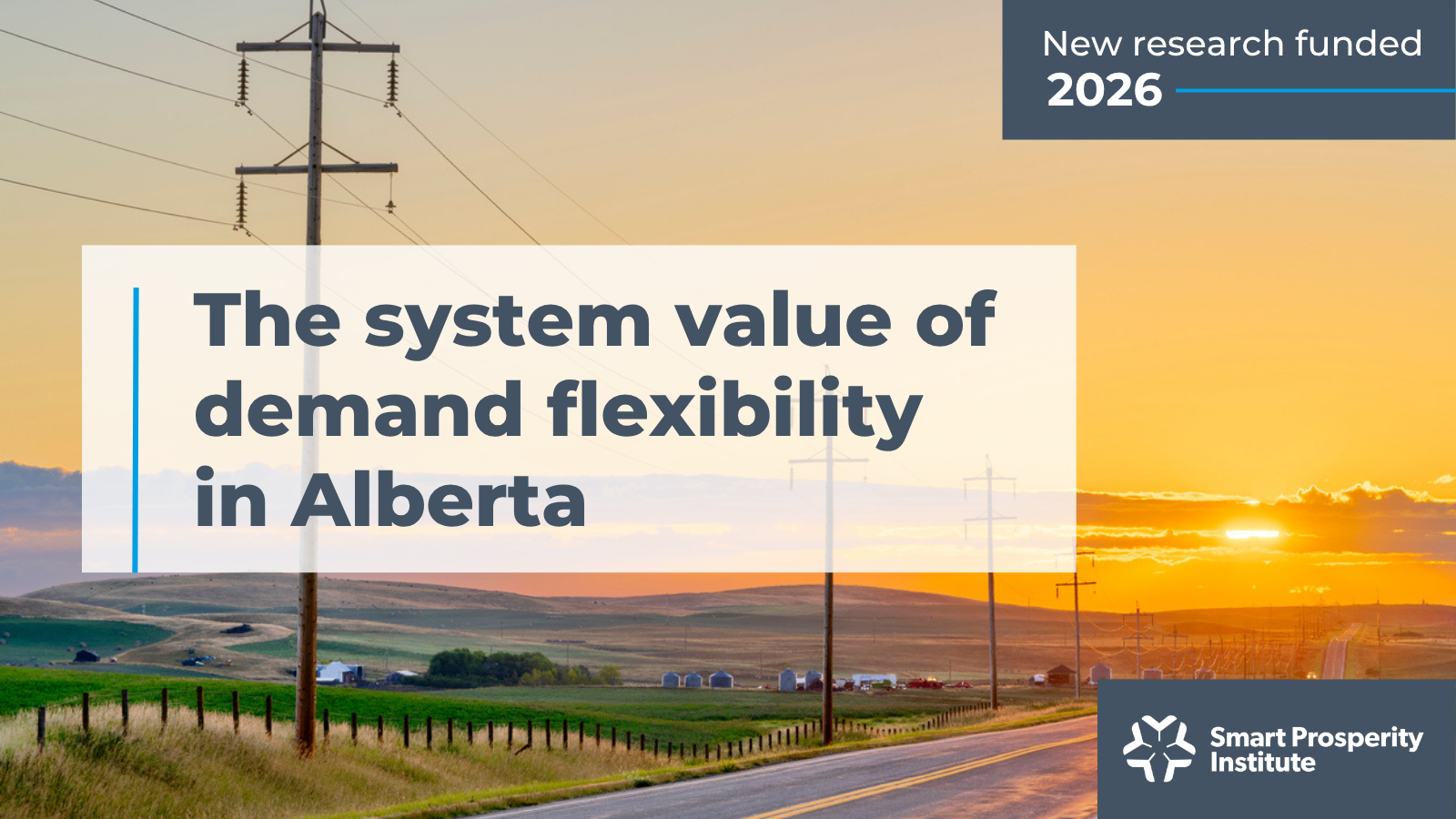
Dr. Laleh Seyyed-Kalantari, Ali Niazi, and Mojtaba Kolahdouzi (York University)
Alberta’s electricity systems face growing pressure. Rapid growth in large electricity consumers, alongside the electrification of transportation and heating and cooling systems, raises the risk of inefficient overbuilding, price volatility, and reliability challenges.
This research examines demand flexibility, the ability of loads to adjust their consumption in response to prices or grid conditions, as a low-carbon regulatory and market-design lever that can improve system-wide efficiency.
The project will estimate the value of demand flexibility in Alberta under high electricity demand growth. It will generate Alberta-specific evidence and policy recommendations to inform market reforms and large-load connection decisions.
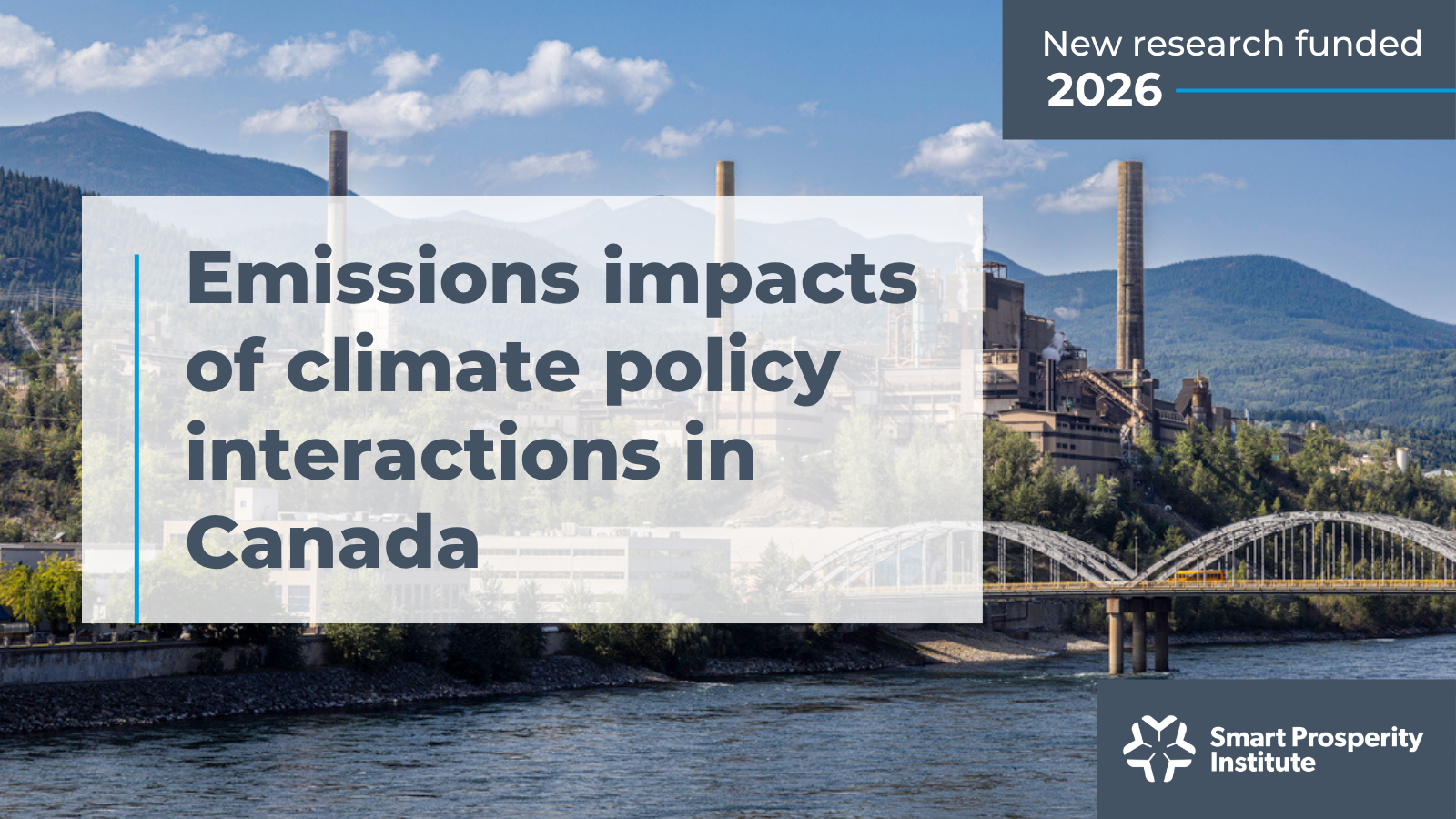
Alaz Munzur, Assistant Professor of Economics at the Johnson Shoyama Graduate School of Public Policy, University of Saskatchewan
Canada's climate policy mix combines "sticks" such as carbon pricing with "carrots" such as targeted subsidies and tax credits. Because instruments in the policy mix interact (both within industries and across them through general equilibrium effects) they can reinforce or undermine one another, with consequences for emissions outcomes. This project develops a multi-industry general equilibrium model with international trade and production emissions to analyse those interactions and their economic implications. Three questions guide the analysis: how productivity-enhancing subsidies for clean energy and for clean sectors interact with the industrial carbon price; which allocations of federal resources across sectors yield the largest emissions reduction per dollar spent given Canada's industrial structure; and which sectors are most exposed to the "clean energy paradox," in which cheaper energy expands carbon-intensive activity.
Dr. Geoff McCarney and Katharine Mullock (University of Ottawa)
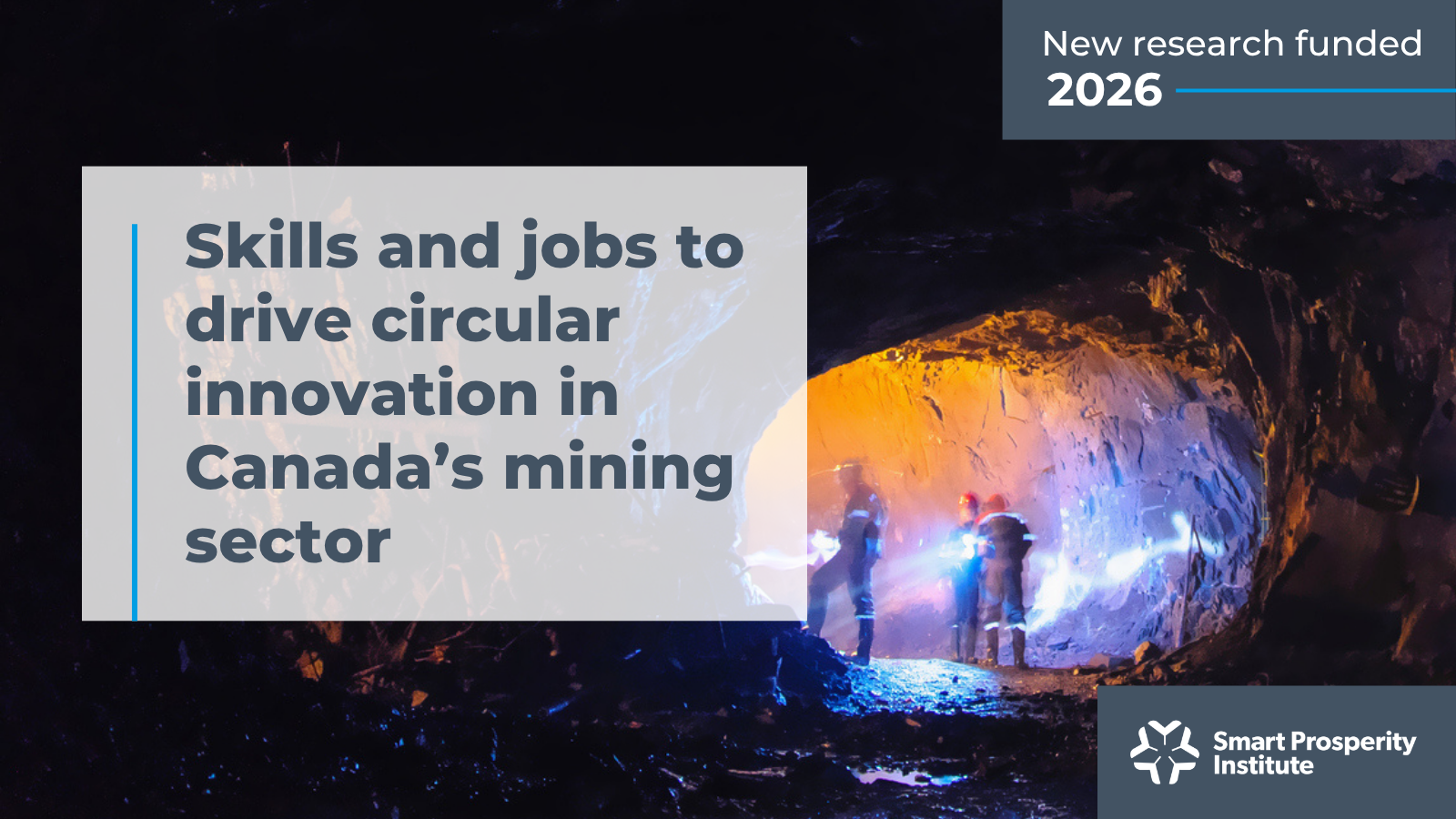
Circular innovation in mining focuses on driving resource efficiency and waste reduction across the value chain - from water conservation and productive uses for waste tailings, to scrap metal recovery and improved energy efficiency.
Expanding these approaches will likely require labour with specialized skillsets, but evidence on the labour market effects of adopting circular approaches in mining is limited. Understanding which skills and occupations are needed is critical to fully leveraging the opportunities this transition presents.
This question anchoring this project is: What are the labour and skill implications of adopting circular approaches in Canada's mining sector?
To answer this, the study will provide a current snapshot of how circular approaches are being used in Canada’s mining sector, along with an indication of the circular ambitions of mining firms. It will explore the jobs and skillsets required to implement existing circular approaches in the mining sector and identify any workforce-related or other barriers that may be impeding further circular innovation. Finally, the study will situate Canada's performance into an international context, by comparing it with previously identified leaders in circular mining - Australia, Brazil and Chile.
Raylene Whitford, PhD Candidate (University of Alberta) and Dr. Charles Cho (York University)
Canada’s clean growth transition is advancing through large-scale energy, mining, and infrastructure investments that intersect directly with Indigenous Peoples’ lands, rights, and governance systems. In this context, issuers rely on corporate disclosures, including financial reporting, sustainability reports, and reconciliation action plans, to signal alignment with regulatory requirements, investor expectations, and the public interest.
Within these disclosures, however, two distinct concepts are frequently conflated: Indigenous Peoples’ inherent right to Free, Prior and Informed Consent (FPIC), and the decision to participate commercially in projects through equity ownership.
This research examines how FPIC and Indigenous equity participation are publicly disclosed in relation to major clean growth and natural resource projects in Canada. It also identifies the reforms needed in disclosure practices and policy to ensure these concepts are treated as distinct and not interchangeable.
The project argues that, without explicit disclosure requirements, issuers may present Indigenous equity participation as evidence of “support,” obscuring situations where consent has not been obtained, is conditional, or remains contested by Indigenous rights holders. This has significant implications for Indigenous jurisdiction, corporate accountability, and investor risk assessment.
Jonathan Boron and Sophie Collins (Simon Fraser University)
Indigenous Peoples have been stewards of their lands since time immemorial, with a deep understanding of the relationships between land, water, and all living things. Western Knowledge has developed cumulative effects assessments to model impacts on these systems, yet there is no clear guidance on how to respectfully integrate the two. Such guidance would strengthen assessments by grounding them in Indigenous Knowledge and values, supporting co‑developed land and water management and advancing Indigenous‑led governance. Following the Yahey v. BC (2021) decision, legislation now requires Indigenous Knowledge to be incorporated, but little direction exists for doing so in the Thompson–Okanagan region.
This research addresses that gap through a literature review guided by the following questions:
Kent Fellows and Preeta Raghunathan (University of Calgary)
Canada’s decarbonization goals and rising electricity demand are placing increasing pressure on grid infrastructure, while traditional expansion faces significant obstacles, including costs, social constraints and environmental concerns. Meanwhile, non-wire solutions (NWS) - such as distributed generation, storage, and demand response- present viable alternatives.
Alberta presents a distinct case due to its deregulated, energy-only market and evolving pricing reforms, which create challenges for deploying NWS. Utilities face regulatory and financial uncertainty under the province’s performance-based regulation framework, including unclear cost recovery, performance risks, and misaligned incentives when considering NWS alternatives to traditional capital infrastructures.
This research asks: How might we enable the integration of non-wires solutions into distribution planning in a way that provides utilities with a financial return while enabling affordable, reliable, clean electricity for Albertans? In exploring this question, the project will provide an empirical analysis of NWS benefits within Alberta’s regulatory context, develop enhanced cost-benefit frameworks adapted to deregulated market contexts, and generate stakeholder-validated recommendations for regulatory reform.
Congratulations to all the 2026 EEPRN-funded project teams. We look forward to sharing research updates as this important work progresses. To stay current on all the latest developments, sign up for SPI’s monthly newsletter.

©2026 Smart Prosperity Institute. All rights reserved.
Contact us:
info@smartprosperity.ca | 1 Stewart St (3rd Floor), Ottawa, ON, K1N 6N5