
February 10, 2026
This year’s Agriculture Day comes as the sector calls for stronger trade competitiveness and more diverse markets for Canada. For these efforts to succeed over the long term, they should be supported by policies that strengthen farm resilience and economic viability.
Canada is a leader in global food exports and ranks 9th among the largest contributors to the world’s food supply. In recent years, however, Canada’s market share of agricultural exports has fallen, as the European Union, Brazil and Australia have increased their exports and secured new free-trade agreements.
Risks in agriculture from climate and market volatility are also increasing, straining farmers and threatening Canadian production. These risks are worsened by a lack of strategies to help farmers conserve soil health and water, both essential to their long-term productivity.
Farmers and farmland are the very foundation of agri-food exports. Strengthening Canada’s competitive edge in agriculture starts with policies that sustain its productivity and strengthen partnerships. This includes proactive trade engagement and long-term investments in infrastructure and processing facilities that add value and improve the movement of goods and services.
But research by our Sustainable Agriculture team and others highlights complementary and cost-effective ways to enhance the agri-food sector’s competitiveness. They include three approaches that could help farmers build resilience and support long-term competitiveness, such as:
Investing in soil health as a national asset
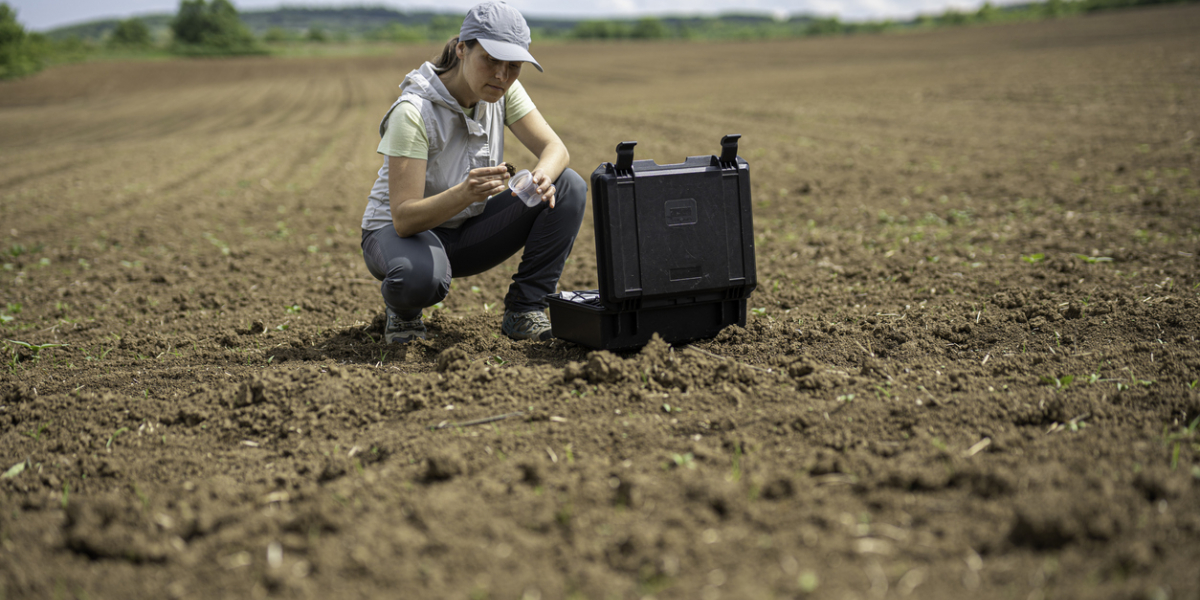
Canada’s trade competitiveness starts with healthy soils. Soil health is a matter of national security, and without thriving and resilient soils, we won’t be able to meet our food demands, let alone those abroad. Healthy soil secures long-term productivity, stabilizes yields, reduces risk exposure to drought and other weather events, and generates credible sustainability claims.
The National Strategy for Soil Health is a pivotal opportunity to coordinate efforts across Canada to strengthen our soils. It should prioritize the development of soil health metrics accessible to farmers, financing and extension services for farmers and research on beneficial farming practices. The strategy should be paired with research on the economic benefits of practices that build soil health, like cover crops and rotational livestock grazing, to show how they can help the environment and farmers’ bottom line.
Improving accessibility of reporting frameworks
Governments, food companies, lenders and buyers are increasingly asking farmers and suppliers to provide clearer, verified reports about their operations, especially when it comes to sustainability claims. New opportunities are also emerging in the form of environmental outcome markets, where farmers are paid for the environmental benefits their farms generate, such as improved carbon sequestration or biodiversity.
To access these markets, farmers need accurate data about their operations. They need streamlined measurement, monitoring, reporting and verification (MMRV) systems that align data requirements, lower costs and reduce administrative burden. Our research, in support of CANZA’s Million Acre Challenge, points to several ways to help farmers access environmental outcome markets. They include giving farmers support from crop advisors, streamlining their reporting requirements across environmental programs and increasing program awareness. Upcoming research from our team suggests that additional measures to improve MMRV accessibility include government-developed standards and protocols, and funding for research and development of measurement tools and processes.
Strengthening on-farm resilience to shocks
The competitiveness of Canada's agri-food sector will falter if we can’t manage risks from extreme weather events and shifting markets. Continuing programs that help farmers adopt resilience-building practices and technologies, such as Farm Credit Canada’s Sustainability Capital Investment Program and the On-Farm Climate Action Fund, can help mitigate these risks.
Modernizing business risk-management programs is another important step in protecting farmers from climate and market volatility. We should also consider complementary incentives for farmers who provide environmental outcomes in their operations that build resilience and lower financial risks. For instance, Agriculture Financial Services Corporation estimates that landscapes with above-average levels of soil organic carbon, typically generated by beneficial farming practices such as reduced tillage, can reduce crop insurance payouts by $25 an acre. Developing and piloting tools that reduce the risks of adopting new practices and reward resilience outcomes, as shown in our work with Farmers for Climate Solutions, will insulate the sector from climate shocks for years to come.
On a day celebrating Canadian agriculture, it’s important to recognize that policies supporting farmland viability, market access and resilience are essential to long-term competitiveness.
These strategic policy areas will guide our research as Canada prepares for the Next Policy Framework. By advancing policy that invests in the foundation of agri-food trade —farmers and the landscapes they steward —Canada can strengthen its global leadership in agricultural production and sustainability.

©2026 Smart Prosperity Institute. All rights reserved.
Contact us:
info@smartprosperity.ca | 1 Stewart St (3rd Floor), Ottawa, ON, K1N 6N5