Assessing Key Features of Residential Energy Retrofit Financing Programs

Residential energy retrofits offer substantial opportunities in Canada for greenhouse gas (GHG) emissions reductions, job creation and residential energy savings. Many residential energy efficiency measures are cost-effective with favourable payback periods and investment returns, yet up-take of these measures has been lower than expected due to persistent market barriers.


Over the past eight years, the City of Toronto has experienced a dramatic drop in both its absolute and per capita water consumption rates. Water demand in Toronto has declined by 14% overall and by 24% on a per capita basis over the same period. At first glance, this appears to be a huge success for the City’s water conservation efforts. This study investigates the cause of the decline by exploiting two unique datasets to decompose the effects of weather and seasonal variation, infrastructure improvements and varying price structures.

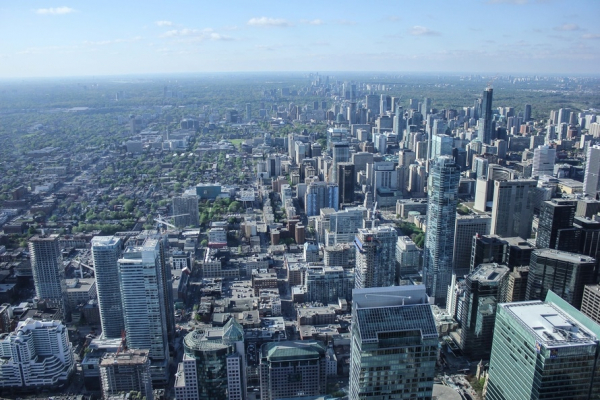
Suburban sprawl is spreading across Canada as cities expand outwards to accommodate the growing demand for lower cost houses. But it’s time to look behind the low price tag, and examine the true costs of suburban sprawl. Suburban development imposes an economic and environmental burden on all Canadians regardless of where they live – and we need to recognize the hidden costs and look for alternatives. The full costs and trade-offs are not always obvious, but they are real.

New report exposes hidden costs; highlights innovative approaches to address sprawl


Ottawa -- The sprawling outward expansion of Canadian cities to provide lower-priced houses to growing populations threatens the financial future of many Canadian local authorities and pushes unnecessary costs onto taxpayers. However, innovative municipalities that are addressing the problem may have lessons for the rest of the country, according to a new report released today.

Increasing public transit ridership is one way to reduce transit-related emissions. The traditional funding model for transit of heavy reliance on government funding will not allow for the expansion in transit that is likely to be required to significantly reduce emissions. This report is focused on identifying alternative sources for financing transit, with a focus on the City of Montreal, including gas and parking taxes, congestion charges, rebates and carbon tax revenues.


Related Material:

Supporting Sustainable Development Initiatives by Reducing Friction in the Local Economy

Community sustainable development is complex. Implementation of sustainable community plans is beyond the local government’s jurisdiction, so requires the involvement of numerous local organizations.